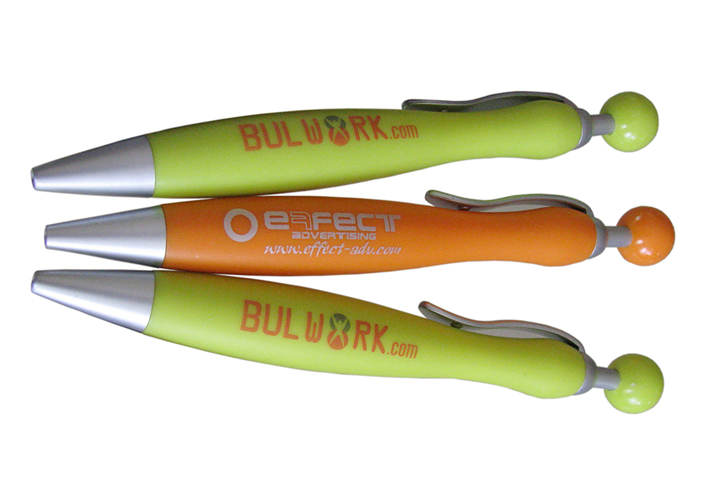
Pad printing is a technology used for branding plastic, wooden or metal souvenirs. One of the few technologies that enables printing on uneven surfaces.
Pad printing is an indirect photogravure process. Depressions are etched into a flat plate.
These depressions are filled with ink and a smooth silicone pad (silicone is ink repellent) is used to pick up some ink on the plate and transfers it to the object. This stamp is called pad and gave this printing process its name.
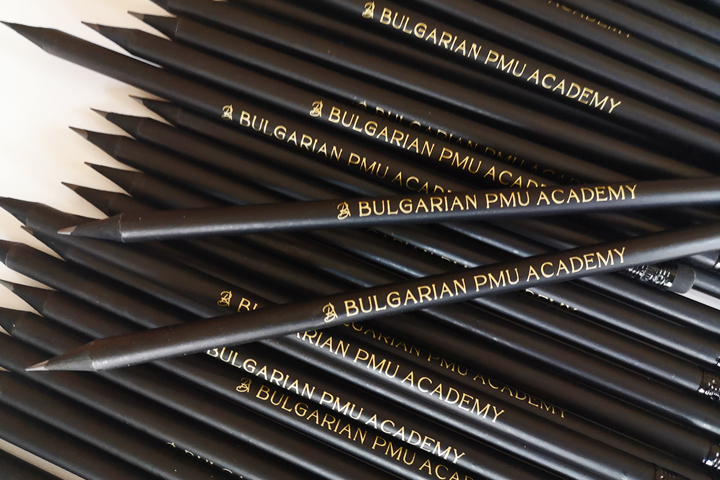
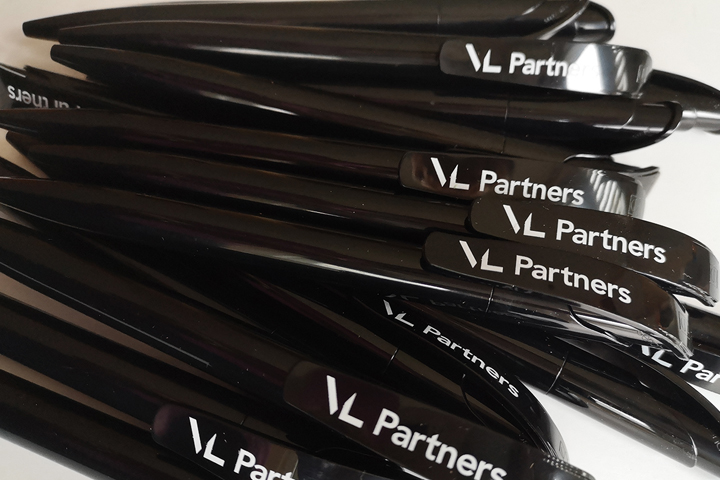
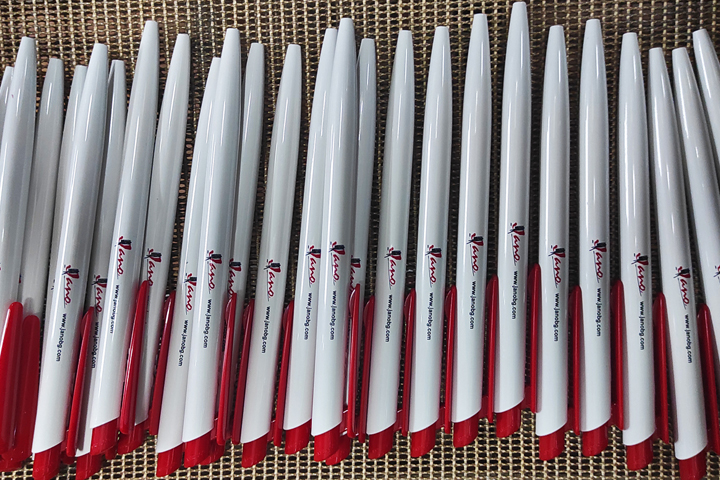
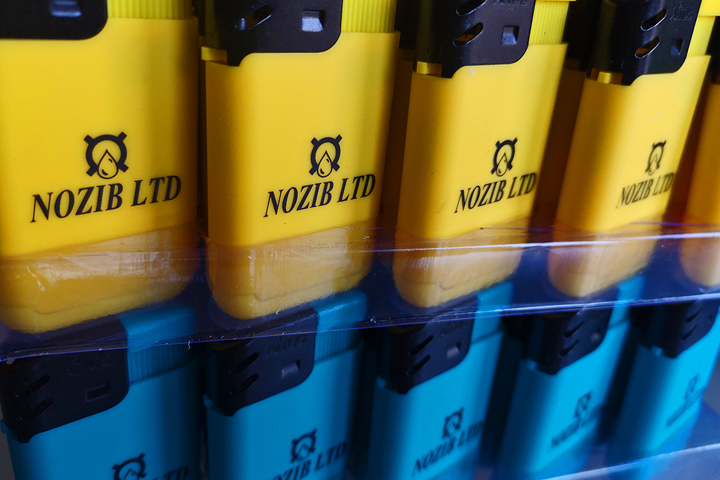
Thanks to the flexible substance of the silicone the pad can adapt to the object during the ink transfer. This enables printing not only on flat, but also on uneven surfaces. Even surfaces with structures or embossing can be printed with pad printing. The use of height compensators allows printing at different heights in only one printing process. Thanks to the thin ink layer that is transferred in pad printing, it is possible to carry out a multi-colour print «wet in wet», without drying inbetween.
Two-component inks are used for printing advertising text on metal souvenirs, which are also slow-drying inks.
A printing plate (cliche) is needed for the performance of pad printing, with which the desired image is transferred onto the souvenir.
Crafting a printing plate (cliche) is one-time and can be used for about 5,000 hits.
Pad printing
| Type | Price per hit |
|---|---|
| Pad printing on small promotional souvenirs | 0,20 BGN |
- Making of printing plate (cliche) - 20 BGN
- Colour change in circulation - 10 BGN
- Price for printing over metal surfaces - +30%
- Nonstandard advertising materials or more than one colour - prices by negotiation
- Prices are for one color/hit
- Minimum quantity - 100 pcs.
- If the minimum quantity is not met, a preparation fee of 30 BGN is payable
- Additional costs appear when packing and unpacking of advertising materials, depending on the time spent for it
- All prices can be commented
- All prices are excluding VAT